The sense of hope and fresh beginnings that usually comes with spring was abruptly shattered in October 2025 when Mr P.E.M suffered a frightening seizure, plunging his world into uncertainty.
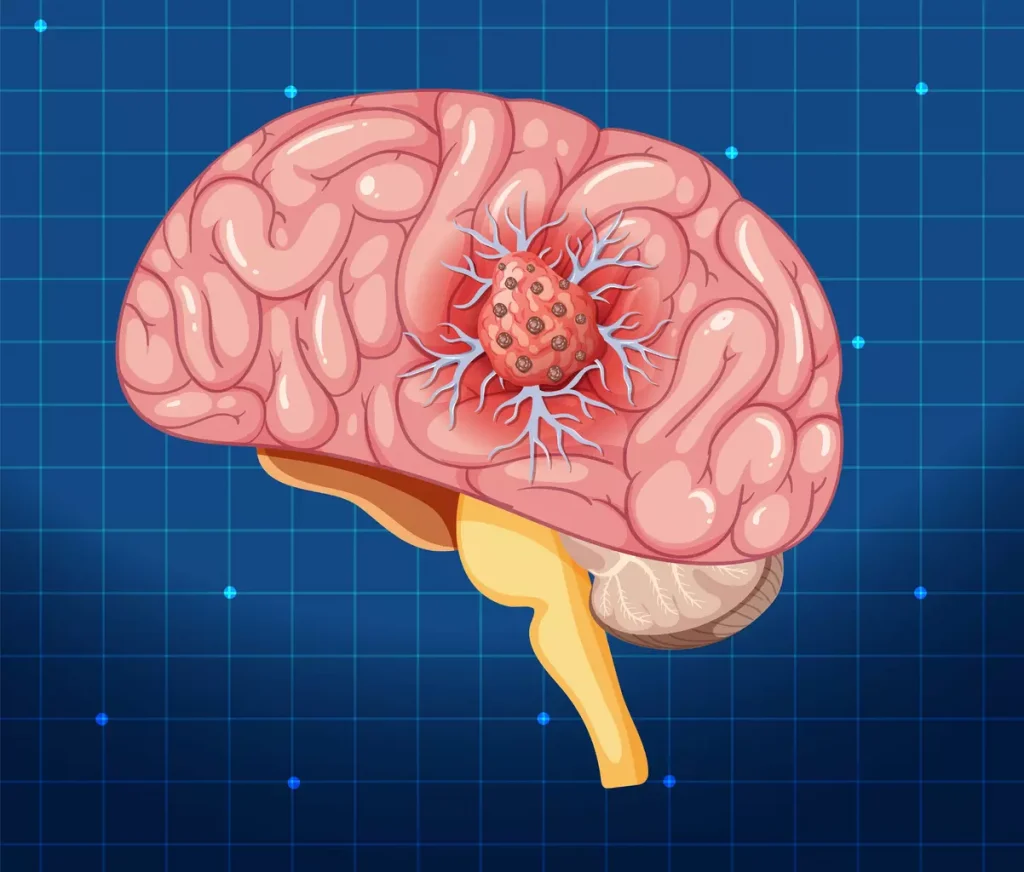
Tests confirmed his worst fears: Mr P.E.M was diagnosed with a brain tumour. It was a deeply distressing time for him and his family. A glimmer of hope emerged when he was referred to a world-class neurosurgeon who, despite the risks involved, successfully removed the tumour.
The relief, however, was short-lived. When Mr P.E.M emerged from surgery, his right side was paralysed and his speech impaired. At that point, his doctor advised he try transcranial magnetic stimulation (TMS), a non-invasive treatment that uses magnetic fields to stimulate specific areas of the brain. TMS did help him in the early stages of his recovery, but it soon became clear that he required more intensive rehabilitation, and one month after surgery he was transferred to a specialised neuro-rehabilitation unit.
On admission, Mr P.E.M had significant weakness on the right side of his body. He was unable to walk and experienced difficulties with memory and language.
“Before my procedure, my surgeon informed me that I would need post-surgery rehab, but I never expected that I would need it,” he said.
“In my mind it was a ‘nice to have’, but when I realised how much rehab I actually needed, I was quite shocked. I became grateful to be going into a full-time rehab facility, as I still needed a lot of assistance with basic activities.”
His rehabilitation journey involved daily physiotherapy, occupational therapy and speech therapy. Throughout it all, Mr P.E.M remained determined and hard-working, focused on regaining his independence.
“The hardest part was accepting the loss of independence — realising that I couldn’t just stand up to fetch something or do something,” he said.
“After the second week, I could see the improvement myself. I was getting stronger and moving more, and I could see my progress from week to week.”
By the end of six weeks in rehabilitation, Mr P.E.M had relearned how to walk, his cognitive skills had returned to baseline, and he was fully independent in his daily activities. While he continued to experience balance difficulties and a hand tremor, his progress was sufficient for discharge.
Once home, the rehabilitation team continued to check in, and Mr P.E.M expressed his gratitude. His message to others beginning their own rehabilitation journey is simple yet powerful:
“Hang in there and see the process through. Miracles happen there every day.”